

Intelligence Analyst
US-based global security intelligence analyst. Born in Namibia, raised in South Africa, and lived in the UK. A US citizen with an Afrikaner attitude.
December 3, 2025
Nigeria: Increased international attention on a complex security crisis
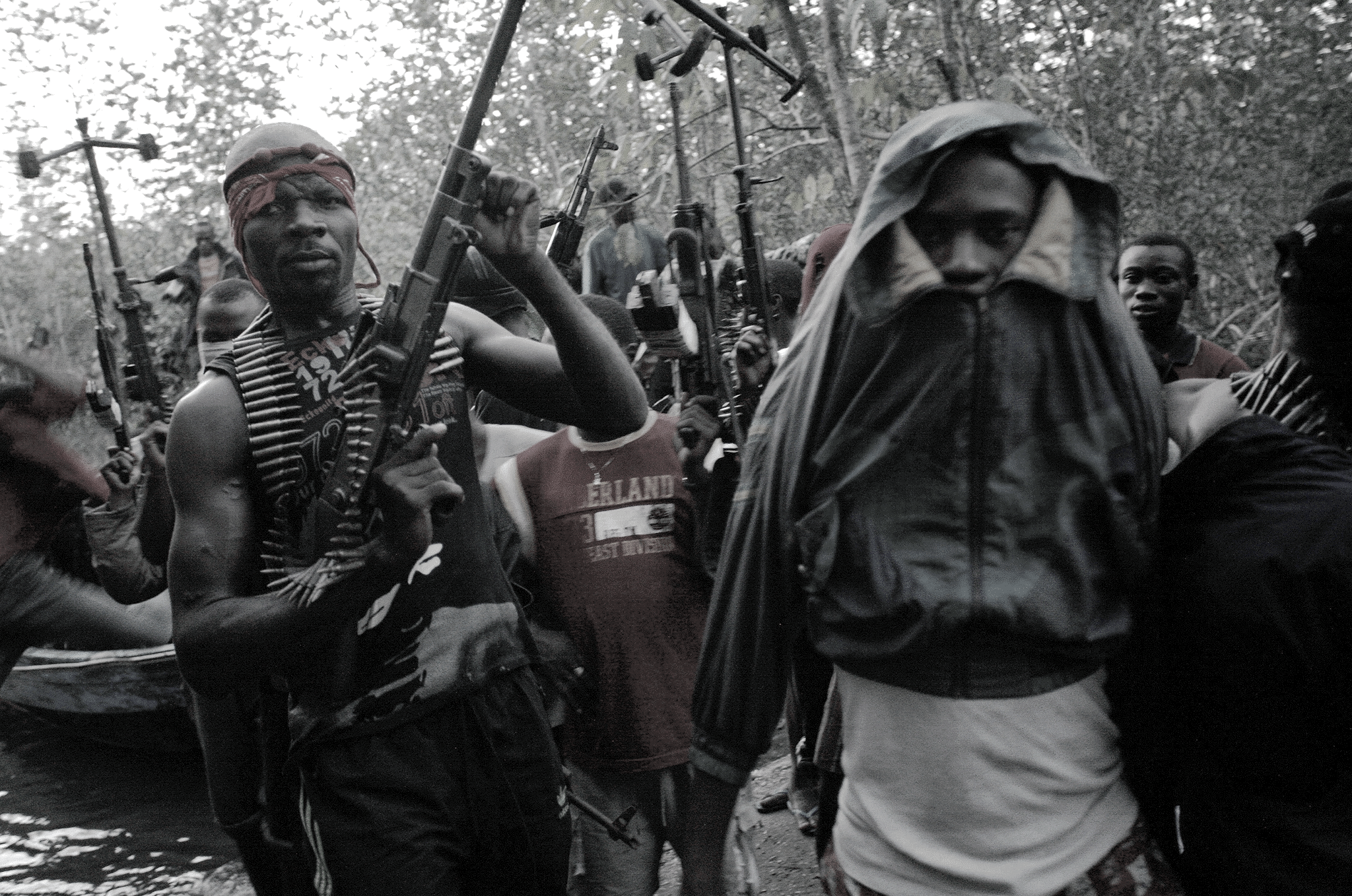
Recently, US President Donald Trump threatened military action against Nigeria for its alleged persecution of Christians. This followed his decision to re-designate Nigeria as a Country of Particular Concern (CPC) under the 1998 International Religious Freedom Act and warning to cut aid and potentially impose travel restrictions if the situation does not improve. This increases pressure on the Nigerian government to address its deteriorating security situation, a complex mixture of extremist insurgencies, armed criminality, and communal violence.
What this means
The CPC designation and increased international attention may add to pressure for the Nigerian government to change its approach. While President Bola Tinubu campaigned on tackling insecurity when he was elected in 2023, there has been domestic frustration at the lack of progress with even rumors of an attempted military coup in September 2025 after changes in military leadership.
The designation and high-profile kidnappings of schoolchildren and teachers in November 2025, prompted President Tinubu to declare a “national security emergency” on December 1 and the Defence Minister resigning on December 2. The government has announced the recruitment of 20,000 police officers and redeployed police units providing armed protection to visiting foreign nations and international companies.
As of late November 2025, there is no universal travel ban between the US and Nigeria, and travel remains possible under existing visa and advisory frameworks. The US State Department advises travelers to “Reconsider Travel” to the country. However, a recent leaked memo lists Nigeria among 36 countries flagged for further restrictions if they fail to meet security and document-verification benchmarks. President Trump’s November 2025 pledge to “permanently pause” migration from “Third World countries” could signal a broader expansion of nationality-based travel restrictions affecting Nigeria and other African nations.
Further analysis
Nigeria is a country of over 250 ethnic groups, divided between a largely Muslim north and mostly Christian south. The security situation has been steadily deteriorating in recent years as Nigeria’s security forces are stretched across multiple fronts and militant groups exploit porous borders with neighboring states also experiencing insecurity. Key challenges include:
Extremist Islamist groups: Factions of Boko Haram, including Islamic State West Africa Province (ISWAP), are active in the northeast Lake Chad Basin and border areas of Cameroon, Chad, and Niger. In October 2025, Al-Qaida-linked Jama’at Nasr al-Islam wal Muslimin (JNIM), mainly active in Mali and Burkina Faso, conducted its first attack in northwest Nigeria. New non-state armed groups have also emerged in the north, while established groups have expanded operations.
Criminal groups (bandits): So-called ‘bandit’ groups attack rural communities and road routes, conducting armed assaults, extortion or kidnap for ransom attacks. They are highly mobile and lack centralized leadership, complicating security responses. In 2022, the government designated these groups as terrorist organizations in an effort to curb violence.
Communal clashes between farmers and ‘herdsmen’: Ongoing clashes between primarily Fulani Muslim herders and largely Christian farmers have caused significant clashes and displacement. Long-standing grievances over land and water access largely drive the violence, which has been exacerbated by climate change, urbanization and competition for resources.
Attacks have increasingly spread to urban centers from rural areas, now including the capital Abuja. Violence affects both Christian and Muslim communities, though as groups operate in southern states, they will increasingly interact with more Christian communities.
October 22, 2025
US: Federal Agencies Shift Focus on Domestic Extremism
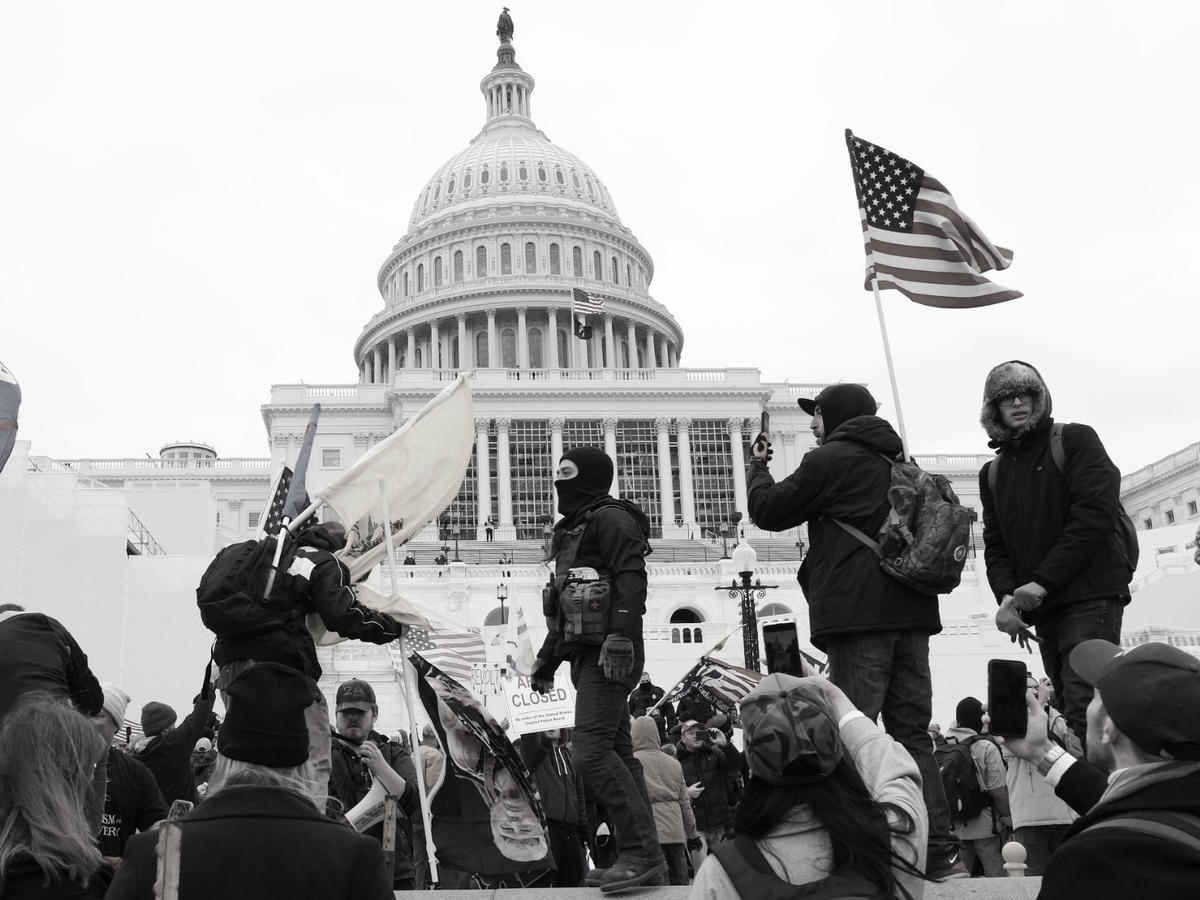
At the direction of the Trump administration, through 2025, US federal agencies have reduced resources dedicated to disrupting domestic extremism. At the same time, the administration has increased scrutiny of far-left groups while downplaying the role of far-right extremism which historically account for most violent incidents. The deprioritization of far-right extremism could reduce federal agencies’ ability to identify, monitor, and disrupt known threats, while putting more responsibility on states to address them.
What this means
As federal priorities shift, states and local law enforcement are taking on more responsibilities to address extremist threats. The reassignment of federal staff has left states with less support for intelligence gathering and investigations. State-level law enforcement officials are reportedly working to keep programs running that Washington no longer prioritizes, including hate-crime hotlines and initiatives to identify threatening behavior.
Federal agencies also have wider expertise and resources to identify, target, and prosecute domestic extremism which can be multi-jurisdictional. By contrast, states have fewer resources for tackling crime which crosses state lines.
Further analysis
In 2020, the FBI assessed that the primary terrorist threat in the United States came from lone actors and small terrorist cells, often driven by domestic extremism. Historical data suggests terrorist attacks and disrupted plots within the United States in the last 30 years were more frequently conducted by far-right domestic extremists. A recent report highlighting the rise in far-left extremism during 2025 sparked criticism due to only five recorded cases being cited to explain the rise in absolute terms. Despite this, in September 2025, the US Department of Justice removed a study from its website showing far-right extremists were responsible for more fatalities than any other domestic terrorist group.
The deprioritization of right-wing extremism has also affected partnerships with outside organizations. FBI Director Kash Patel ended collaborations with two prominent non-governmental anti-extremism organizations, the Anti-Defamation League (ADL) and the Southern Poverty Law Center (SPLC).
In March 2025, the FBI reduced staffing in its domestic terrorism office and discontinued a tool used to track such investigations. Thousands of agents across multiple agencies, including some investigating domestic extremism, were reassigned or dismissed to prioritize immigration enforcement.
In late September 2025, President Trump signed an executive order designating Antifa as a domestic terrorist organization, despite it being described as more of a movement or ideology rather than a formal, structured organization. Days later, the White House issued a memorandum on Countering Domestic Terrorism and Organized Political Violence, which critics argue selectively highlights incidents of left-wing political violence and uses language that could delegitimize political opponents. On October 15, 2025, a federal grand jury indicted, for the first time, alleged Antifa members on terrorism-related charges for an attack on an ICE facility in Texas on July 4, 2025.
